
The Foods Your Body Treats Like Sugar — Even the "Healthy" Ones
Your morning smoothie, a handful of dates, a bowl of muesli — each of these can push blood glucose up faster than you would expect. Here is a clear, straightforward look at why.
Find Out More
Why "Good" Foods Can Still Raise Glucose Fast
Not everything that comes from nature is gentle on blood sugar. The key factor is how quickly carbohydrates break down into glucose after you eat — and that depends more on fibre content, cooking method and portion size than on whether a food looks wholesome.
A glass of carrot juice, a large fruit smoothie or a spoonful of honey can each produce a rapid rise in blood glucose because the natural sugars inside them have little to slow them down. The body has no way of knowing a food is "natural" — it simply processes the sugar it receives.
This page is for general education only and is not a substitute for personalised medical advice. Please consult your healthcare provider before changing your diet.
Simple Swaps That Make a Difference
You do not need to give up your favourite foods entirely. Small substitutions can change how your blood glucose responds — without making meals less enjoyable.
| Instead of… | Try this… | Why it helps |
|---|---|---|
| 🧃 Fruit juice (glass) | 🍎 Whole apple or orange | Fibre in whole fruit slows sugar absorption |
| 🥣 Sweetened granola | 🌾 Plain porridge oats | Oats digest more slowly, fewer added sugars |
| 🍯 Honey (large spoonful) | 🫐 Fresh berries | Berries are low-GI and high in fibre |
| 🥛 Low-fat fruit yoghurt | 🫙 Plain full-fat yoghurt | Less added sugar, fat helps slow digestion |
| 🥤 Large fruit smoothie | 🥗 Fruit + handful of nuts | Protein and fat reduce the glucose spike |
| 🥕 Large portion of cooked carrots | 🥕 Smaller portion + leafy greens | Smaller portion + fibre lowers overall GI of the meal |
Six Everyday Foods Worth a Closer Look
These are not junk foods. They are items found in most family kitchens — and each one has a side that many people do not know about.
Fruit Smoothies
Blending several fruits together destroys much of the fibre structure. The result is a drink with a concentrated sugar load that absorbs rapidly — often more than eating the same fruits whole would.
Dried Fruit & Raisins
Removing water from fruit leaves the sugar in a very compact form. A small box of raisins can contain more sugar than a full bunch of fresh grapes. Portion size matters here more than most people realise.
Wholegrain Bread & Pasta
These are better choices than white flour products, but they are still starch-based. In large portions — or eaten alone — they can raise blood glucose noticeably. Pairing them with protein or vegetables helps.
Muesli & Packaged Cereals
Many cereals labelled as "natural" or "wholesome" contain significant amounts of added honey, syrups or dried fruit. Reading the nutritional label before buying is the simplest way to avoid a surprise.
Cooked Potato & Beetroot
Heat makes the starch in these vegetables far easier to digest quickly. Boiled or mashed potato in particular is one of the highest-GI foods on the list — something many people find genuinely surprising.
Agave & Maple Syrup
These sweeteners are often chosen as a "healthier" alternative to sugar. In terms of how they affect blood glucose, however, the difference is very small. Both are made primarily of simple sugars.
Fibre Is the Key Ingredient
The main reason some foods raise blood glucose quickly while others do not comes down to fibre. Fibre creates a kind of physical barrier in your digestive system that slows down how fast sugar enters your bloodstream.
When you remove fibre — by juicing fruit, for example — or when you eat foods that never had much fibre to begin with, like honey or syrup, that natural buffer disappears. The result is a faster and higher glucose response.
Building meals around fibre-rich whole foods — vegetables, legumes, whole grains in reasonable portions — is one of the most straightforward ways to keep blood sugar more steady throughout the day. Always speak with a doctor for guidance tailored to your personal health.
Eating Smarter Without Overthinking It
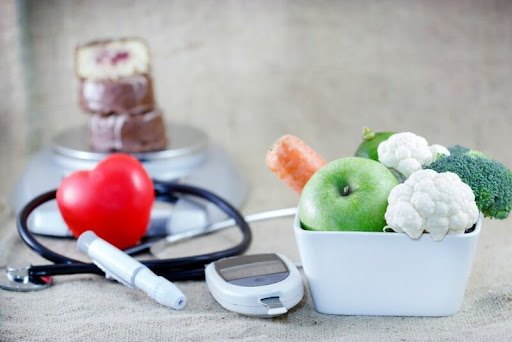
Understanding which foods raise blood glucose quickly does not mean you need to follow a strict elimination diet. For most people, small adjustments to everyday habits are enough to make a meaningful difference.
One of the simplest habits is to eat carbohydrates alongside something that slows them down — a portion of protein such as eggs, lentils or chicken; some healthy fat like avocado or a handful of nuts; or a generous serving of non-starchy vegetables. This combination changes how your body responds to the same meal.
Paying attention to portion sizes is equally important. A small serving of dried fruit is very different from a large one. Context always matters. If you have specific health concerns about your blood glucose, a qualified doctor or dietitian can give you guidance suited to your individual situation.
What Readers Have Found Out
"I had been making a large smoothie every morning with three different fruits, thinking I was doing something great for my health. It was only after reading more about how blending affects fibre that I understood why I was feeling so tired and hungry again within an hour. Switching to plain fruit with a boiled egg has made a real difference to how I feel through the morning."
— Kavitha R., Pune
"My doctor noticed my glucose readings were higher than expected, which surprised me because I thought I was eating well. After I looked more carefully at what I was actually eating — lots of muesli and honey in the mornings — I realised the issue. Making a few changes brought my next reading back into a much better range."
— Suresh P., Ahmedabad
"I used to use agave syrup instead of sugar because I believed it was healthier. Learning that simple sweeteners — whatever their source — behave in a similar way in the body was an eye-opener. I have not given up sweetness entirely, but I am much more aware of how much I am actually using now."
— Nisha T., Jaipur
Have a Question? We Are Here
Get in Touch
Whether you have a question about food, blood sugar or healthy eating habits, feel free to reach out and we will do our best to help.
Email:
hello (at) zumeneb.icu
Phone:
+91 80 4153 6072
Address:
8, Brigade Road, Bengaluru 560001, Karnataka, India
Questions People Often Ask
Why does a fruit smoothie raise blood sugar more than eating fruit?
When you blend fruit, the blades break down much of the fibre structure inside it. Fibre is what normally slows down sugar absorption. Without that fibre acting as a buffer, the natural sugars in fruit enter the bloodstream much faster. Eating the same fruit whole, by contrast, keeps the fibre intact and produces a gentler response.
Is wholegrain bread actually better for blood sugar than white bread?
In most cases, yes — but not dramatically so. Wholegrain bread contains more fibre and nutrients than white bread, and it generally has a slightly lower GI. However, it is still a starch-heavy food and in large portions it can still raise blood glucose meaningfully. The way you eat it matters — a slice with eggs and avocado is very different from several slices on their own.
Can I eat dried fruit at all?
Yes, but portion size is the key. A small amount of dried fruit — a few raisins or a single date — used as part of a meal that also contains protein, fat or fibre is very different from eating a large handful on an empty stomach. Dried fruit is nutritious in other ways, so there is no need to avoid it entirely. Simply treat it as concentrated fruit rather than a free snack.
How do I know if a food is high or low GI?
A number of organisations publish publicly available GI lists that you can look up for any food. As a rough guide: most non-starchy vegetables, legumes, nuts and whole fruits are low GI; most refined grains, juices, dried fruits and starchy cooked vegetables are higher. Remember that GI is just one factor — portion size and what else you eat at the same time both matter too.
Is this information suitable for people with diabetes?
This page shares general educational information about food and blood glucose. It is not intended as medical advice and is not a replacement for guidance from a qualified doctor or registered dietitian. People managing diabetes or other health conditions should always work with their healthcare team before making significant dietary changes, as individual needs vary considerably.